Even in early sobriety, brain fog can persist due to poor sleep, nutrition, and hydration. However, there are ways to prioritize cognitive health, such as exercising regularly, engaging in mentally stimulating activities, and eating well. Even after you’ve embarked on the path to sobriety, the effects of alcohol on your brain can linger, manifesting as brain fog.
Need Treatment Financing?
- Detox is an essential first step in the treatment of alcohol use disorder, but it is just the beginning of the recovery journey.
- That means no computers or TV’s since they emit blue light, a known suppressor of melatonin production.
- The resulting deficiencies can lead to cognitive impairment and alcohol-related brain damage.
- If you want to cut back on your alcohol consumption and boost your brain health, consider trying Reframe.
Create for the sole purpose of creating and leave any desire for perfection behind. However, even switching up the way you go about familiar daily tasks will challenge your brain and help pull you out of autopilot. For instance, try brushing your teeth with the opposite hand for a https://ecosoberhouse.com/ week, read a book that’s not your go-to genre, or take a different route to work. Think of it as retraining a muscle group for a specific type of physical exercise. One of the best things about getting sober is that there’s a newfound clarity of thought. Irrational thoughts that lead to impulsive behavior are replaced by more reasonable ones.
- Alcohol can damage the brain, but most cases of brain fog do not come from brain damage.
- Making lifestyle changes such as getting enough sleep, eating a balanced diet, and exercising regularly can help reduce the severity of brain fog and speed up recovery time.
- The consumption of alcohol leads to an interference with neurotransmitters and negatively affects overall brain health, causing what we know as alcohol brain fog.
- Understanding and treating the causes of alcohol-induced brain fog requires a diverse and multifaceted approach.
- Seeking treatment and maintaining sobriety is essential to prevent relapse and keep your cognitive function on the rise.
How Can We Minimize Alcohol’s Effects?
- Transience is the loss over time of certain memories like facts and events.
- Eating a healthy diet is another way to help relieve the symptoms of alcohol fog or any type of brain fog.
- Alongside alcohol’s neurotoxic effects, we see how it can lead to brain fog.
- The “pause” phase, on the other hand, which causes a dip in acetylcholine release from the CINs, is crucial for reversal learning, where new behaviors replace outdated ones.
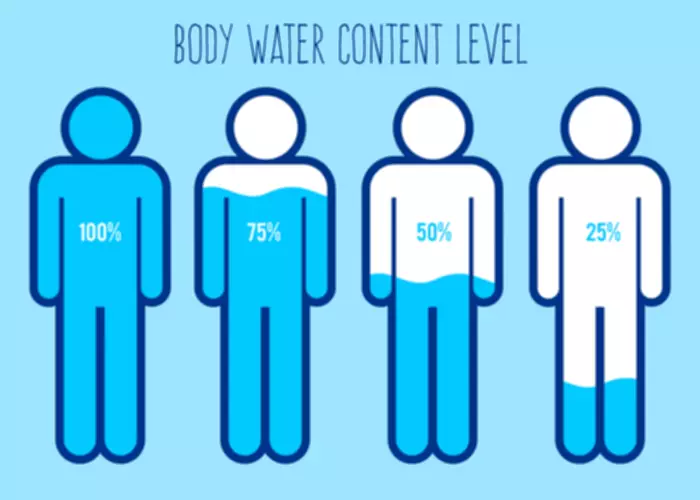
- Keeping your body well-hydrated and nourished with healthy and mindful dietary habits, can help counter the effects of alcohol.
- If possible, be consistent with the time you go to bed and what time you get up in the morning.
This can be due to things like genetics, how their body processes alcohol, their overall health, and how much and how often they drink. But don’t worry, you’re not alone, and it’s important to remember that it’s often temporary. Let’s talk about some of the signs you might be experiencing alcohol brain fog.
Alcohol Addiction Treatment
Our rehab directories tool makes it simple to find a rehab that meets you or your loved ones needs best by using different search criteria to accomplish that goal. You can easily type in your location to find treatment centers near you, or browse other facilities throughout the nation that provide the services you are looking for. Or, find rehab facilities near you right now to get started on your journey towards recovery. There are several effects alcohol brain fog that can occur as a result of misusing alcohol or being addicted to it.
The Next-Day Effects of Alcohol on the Brain

These factors include the severity of the alcohol abuse, how long the individual has been drinking, and overall health status. With continued sobriety, you may begin to notice improvements in your cognitive function over time. It can take several months to a year for your brain to fully recover from the effects of alcohol. Seeking professional treatment and maintaining abstinence are crucial steps in the recovery process. In some cases, medication management may be necessary to support alcohol recovery. Medications can help reduce cravings and manage co-occurring mental health issues such as anxiety or depression, which often contribute to addiction.
- It can provide invaluable support by addressing underlying mental health issues and developing coping mechanisms to prevent relapse.
- Other drugs that are used for treatment are DMAE, Ginkgo Biloba, Magnesium, or piracetam.
- Alcohol abuse can lead to a deficiency in thiamine (vitamin B1), essential for proper brain function.
- In more extreme cases, excessive alcohol intake can trigger blackouts, resulting in episodes of amnesia that leave individuals confused and possibly causing damage to the brain.
- This initial phase of sobriety can be invigorating and is often referred to as the “pink cloud”—a period that feels a little like you’ve found a unicorn.
- It is crucial to seek professional help and engage in activities that promote brain health and overall well-being.
Beyond the Pill: Natural Ways to Fight Depression

The more you drink, the more problems you’ll have with thought tasks and motivation to work. It’s also pretty hard to feel inspired and engaged if you’re also dealing with the physical effects, like dehydration, sleep deprivation, and headaches. Alcohol brain fog is any cognitive difficulty you experience during or after ingesting alcohol. Those may be difficulties with focus, memory, coordination, concentration, or judgment.

By incorporating these habits, individuals in addiction recovery can improve their cognitive function and sustain long-term sobriety. Alcohol consumption can cause brain fog due to its impact on basic cognitive processes and the central nervous system. Adequate nutrition and hydration is critical for maintaining healthy cognitive function, and poor nutritional drug addiction status is a common characteristic of alcohol abuse. Prioritising nutritional health is high up on the totem pole for sobriety, so if you were to pick anything, start here. Frequent exercise raises the blood flow to the brain and stimulates the release of neurotransmitters that improve cognitive performance. Any physical exercise enhances brain health and expedites the healing process from alcohol-induced damage.

These exercises are all excellent for brain health as they help reduce stress and improve brain function. Getting enough sleep is one of the most important things that you can do to clear your head and get rid of brain fog and improve your cognitive function in the long term. Recovery from alcohol addiction is a lifelong journey that requires ongoing commitment and support. Include foods that are rich in antioxidants, such as fruits, vegetables, and whole grains, which help protect the brain from oxidative stress. Additionally, incorporate foods with omega-3 fatty acids, like salmon and walnuts, which support cognitive function.
If you find yourself struggling with alcohol brain fog, it is important to seek out effective addiction treatment. Treatments such as cognitive behavior therapy, dialectical behavior therapy, or even motivational interviewing can help you learn how to overcome your addiction and improve your mental clarity. As the alcohol is metabolized and nutritional states are restored, alcohol brain fog can clear with time. Once alcohol is eliminated and alcohol withdrawal symptoms subside, people recovering from an AUD will feel more like themselves again. This change can initiate them to become more motivated to maintain sobriety.
A patient’s mental health and well-being are critical to overcoming alcohol brain fog, as these issues can worsen your symptoms and make recovery even more difficult. The link between alcohol and brain fog is also related to alcohol’s impact on mental illnesses. People with alcohol abuse problems are more likely to suffer from depression, anxiety disorders, bipolar disorder.