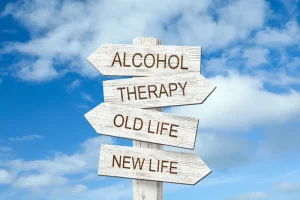
While alcohol can definitely trigger anxiety and panic attacks, it doesn’t necessarily cause permanent anxiety. However, regular heavy drinking can definitely make existing anxiety worse. Cutting back or quitting drinking can be a big step in managing anxiety and improving your overall mental health. If you’re concerned about alcohol and mental health, reach out for professional help.
Who is More at Risk? Identifying Risk Factors for Alcohol-Induced Panic Attacks
This can lead to a rebound effect, causing a surge in anxiety and potentially triggering a panic attack. Your GABA levels drop lower than normal, and glutamate surges back, sometimes causing alcohol-induced anxiety symptoms, including panic attacks after drinking. Some may experience an onset of anxiety attacks shortly after consuming alcohol, while others may notice a sudden escalation of existing anxiety symptoms. Understanding the immediate impact of alcohol on anxiety is crucial for individuals navigating their mental health and making informed choices about alcohol consumption. This phenomenon, often referred to as “hangxiety,” stems from alcohol’s impact on neurotransmitter levels and its ability to disrupt the body’s stress response system.
Common Symptoms at a Glance
These activities lessen the impact of stress and Substance abuse anxiety, and when you can weaken the effects of stress, you give your mind a better chance of regaining its own natural coping strength. Interestingly, some doctors use anxiety medications to help people withdraw from alcohol when it’s been determined medically necessary due to the withdrawal effects of abruptly quitting alcohol. CBT is a type of therapy that helps you identify and change negative thought patterns and behaviors. It’s been shown to be very effective in treating panic disorder, including those related to alcohol and anxiety. Drinking more alcohol will only worsen the situation and intensify alcohol withdrawal symptoms. Let’s say you drink a beer and martini but you don’t drink any water in between.

Side Effects of Alcohol Misuse
- Developing coping strategies and seeking support are essential steps in managing anxiety during this transition.
- However, as alcohol is metabolized and its effects wear off, the brain attempts to compensate for the increase in GABA activity by decreasing its natural production.
- Alcohol throws off the balance in our brain and body, creating chaos that makes panic attacks more likely.
- Talking to a therapist or counselor can provide personalized strategies for managing anxiety and alcohol use.
- Eventually, dependence needs more of a substance to get the same effects.
- A night of drinking can bring up feelings of anxiety or jitteriness, even if you’re not diagnosed with an anxiety disorder.
This type of self-medication can lead to alcohol dependency and may result in regular, alcohol-induced panic attacks. Don’t hesitate to reach out to a trusted friend, family member, or medical professional. Talking to someone can provide comfort and support during a difficult time. It might seem strange that alcohol, something often used to relax, can trigger such intense anxiety. But there’s a definite link between alcohol consumption and the onset of panic attacks.
Effects of caffeine on anxiety and panic attacks in patients with panic disorder: A systematic review and meta-analysis
- Cutting out alcohol will help you cope better, and should reduce the likelihood of experiencing a panic attack, but it won’t stop them altogether.
- American Addiction Centers (AAC) is committed to delivering original, truthful, accurate, unbiased, and medically current information.
- In many cases, it is unclear whether alcohol causes anxiety or if anxiety makes a person more likely to drink alcohol.
- And depression is affected by alcohol too – find out more on our alcohol and depression webpage.
It takes courage to face these challenges, =https://ecosoberhouse.com/ and you are stronger than you think. Taking small steps towards understanding and managing alcohol-induced anxiety can lead to big changes in your overall well-being. It’s important to talk to a doctor or psychiatrist about whether medication is right for you and to discuss any potential side effects.
Alcohol Withdrawal and Anxiety

Most people barely notice them, or pass them off as if they’re not important. Those with panic attacks are far more likely to notice them, and this may result in a flood of anxiety that can lead to a panic attack. Remember, it’s not just alcohol which can causes symptoms that lead to panic attacks. Excessive intake of other drugs and food, including caffeine and sugar, may also be triggers.

Since alcohol and panic attacks often reinforce each other, the key to reducing panic attacks from alcohol is alcohol and panic attacks to quit or cut back on alcohol. CBT for panic attacks combines relaxation techniques with breathing training. This is because studies show that five sessions of breathing training over the course of four weeks reduces the severity of panic attacks.
Can Alcohol Cause Anxiety or Make it Worse?
Paradoxically, heavy drinking can deplete GABA, a neurotransmitter that normally has a calming effect. This depletion can increase tension and potentially trigger panic attacks. Research has found that anxiety disorders and alcohol use disorders often occur together. Several proposed explanations exist for the link, including genetics, a person’s environment, and the brain mechanisms related to addiction and anxiety symptoms.
This is because, as users increase the quantities of alcohol they drink to ease anxiety symptoms, it creates structural brain changes, depleting the reserves of GABA (a calming hormone). Long-term alcohol use while suffering from an anxiety disorder may create a cycle of dependency, complicating prognosis and treatment. However, the interplay of alcohol and anxiety is multilayered and the severity of the AUDs depends on the type of anxiety disorder. It is important to note that the symptoms of alcohol-induced panic attacks can vary from person to person. Some individuals may experience only a few of these symptoms, while others may experience a combination of several.